
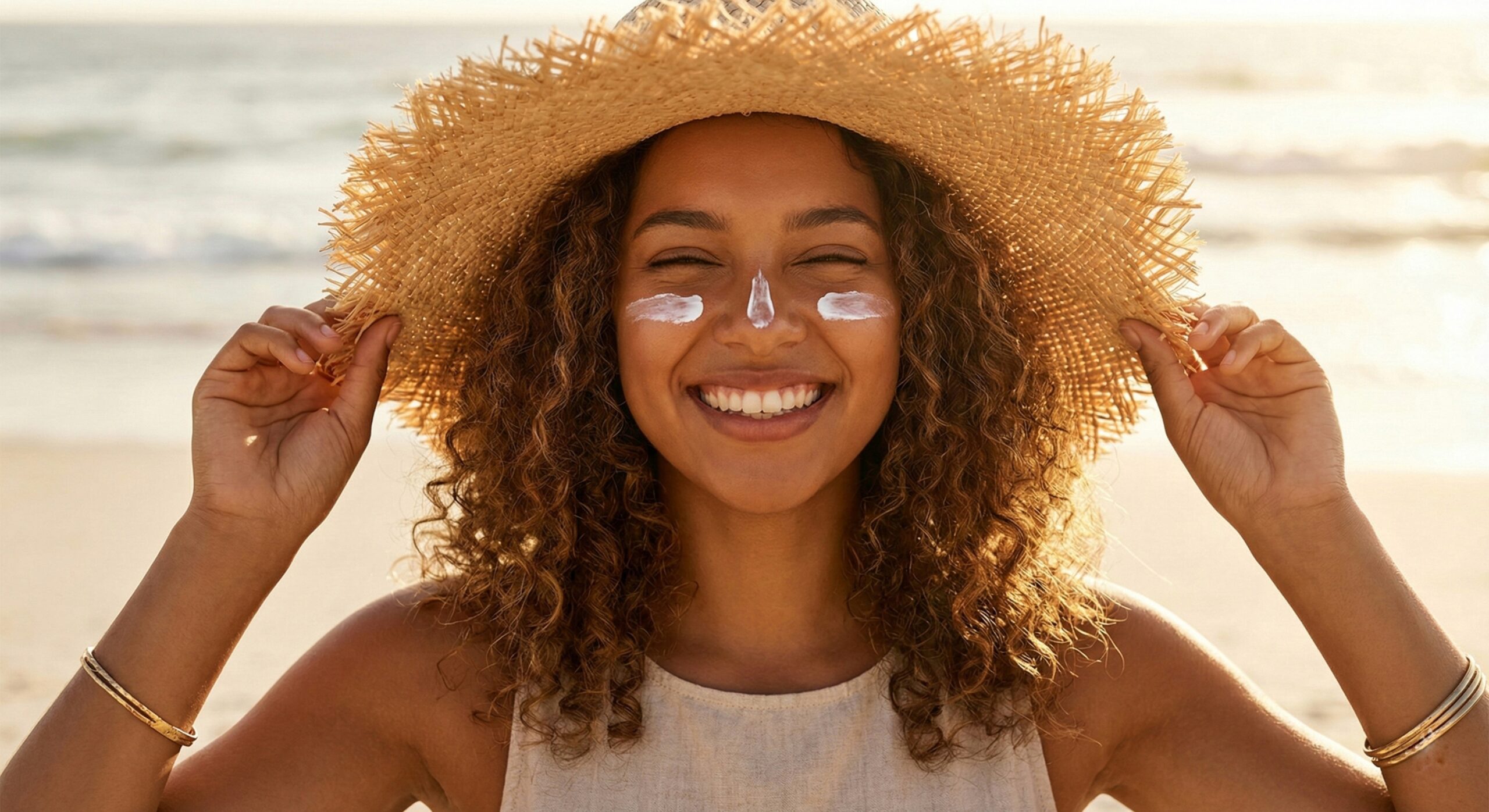
With summer quickly approaching, it is always a good habit to review summer safety tips and understand the dangers of getting skin cancer. Skin cancer can affect both people who get too much sun and people who don’t get any at all, so it is important to reduce your risk of getting skin cancer by following a few simple tips and tricks.
Overview
According to Mayo Clinic, skin cancer is a cancer that starts as a growth of cells on the skin. The cells can invade and destroy healthy body tissue. Sometimes the cells break away and spread to other parts of the body.
Many kinds of skin cancer exist. The most common skin cancers are basal cell carcinoma and squamous cell carcinoma. While these are the most common, they often can be cured. The most dangerous form of skin cancer is melanoma. It is more likely to spread, making it harder to cure.
Most skin cancers happen on skin that receives a lot of sunlight. The light that comes from the sun is thought to cause most skin cancers. You can reduce the risk of skin cancer by covering your skin with clothes or sunscreen to protect it from the sun.
Some skin cancers happen on skin that doesn’t typically get sun. This likely means that something else is causing these cancers. To reduce your risk of these kinds of skin cancers, check your skin regularly for any changes. Mayo Clinic recommends reporting these changes to your healthcare professional.
Practice Sun Safety
Protection from ultraviolet (UV) rays is important all year, not just during the summer. UV rays can reach you on cloudy and cool days. They reflect off surfaces such as water, cement, sand, and snow. In the continental United States, UV rays are strongest from 10 a.m. to 4 p.m. during daylight saving time, or 9 a.m. to 3 p.m. standard time.
The UV Index forecasts the strength of UV rays each day. If the UV index is 3 or higher in your area, protect your skin from too much exposure to the sun. The Centers for Disease Control and Prevention (CDC) recommends several ways to protect your skin when the UV index is 3 or higher:
- Stay in the shade
- Wear clothing that covers your arms and legs
- Wear a hat with a wide brim to shade your face, head, ears, and neck
- Wear sunglasses that wrap around and block both UVA and UVB rays
- Use a broad-spectrum sunscreen with a sun protection factor (SPF) of 30 or higher
- Avoid indoor tanning
Signs and symptoms of skin cancer include:
- A new growth on the skin that might look like a mole, a bump, or a scab
- A rough patch on the skin
- A sore on the skin that won’t heal
- Changes to a mole or freckle, such as getting bigger or changing color
- Itchy skin around a skin growth
- Pain around a skin growth
When to See a Doctor
Make an appointment with a doctor or other healthcare professional if you notice any changes to your skin that worry you.
For more information on sun safety and skin cancer, visit:
The CDC atwww.cdc.gov/skin-cancer/prevention
The Mayo Clinic at www.mayoclinic.org/diseases-conditions/skin-cancer/symptomscauses/syc-20377605