
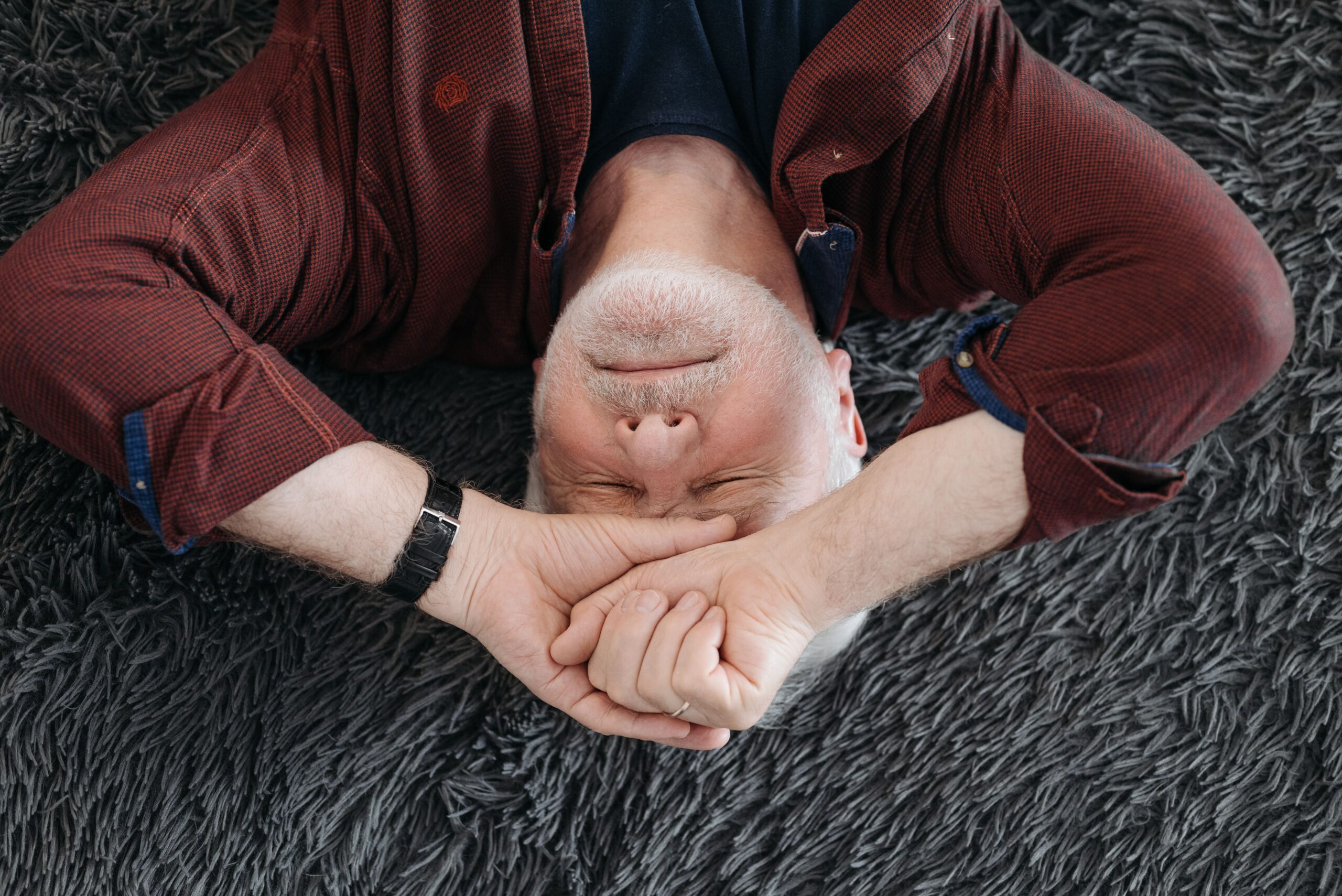
Falls are the leading cause of fatal and non-fatal injuries for older adults. But most falls are preventable and result from identifiable risk factors that can be addressed. According to the U.S. Centers for Disease Control and Prevention (CDC),one in four Americans over age 65 falls each year.
Most falls happen when multiple factors align. Medical factors include: side effects from medication, vision or hearing problems, muscle weakness, balance issues, foot problems, and cognitive decline. Environmental factors at home include: poor lighting, loose rugs, clutter, obstacles, stairs without handrails, pets underfoot, and inappropriate footwear. Behavioral factors, such as rushing, not using assistive devices, walking in the dark, and not asking for help, can also cause falls. Fall prevention can be accomplished by:
- Removing hazards in the home and adding support.
- Exercising for strength and balance.
- Reviewing medications to identify their risks.
- Taking care of your vision and hearing.
- Wearing supportive, non-slip footwear.
- Encouraging caregiver vigilance.
- Participating in physical therapy (PT), occupational therapy (OT), and getting medical assessments when needed.
Home Safety Assessments
Conducting routine home safety assessments allows you to identify fall risks and make modifications to reduce or prevent falls. All entryways should have good lighting; pathways should be clear throughout the house; and light switches should be within easy reach. Cords should be secured along walls, not across paths. Use chairs with armrests for support, step stools with handrails (if reaching is necessary) for rising, and sit while doing tasks if you can. Clear a path from bedrooms to bathrooms, keep beds at an appropriate height, and reduce clutter. Stairs should have secure handrails on both sides and good lighting at the top and bottom landings. Install low-cost and moderate-cost modifications to reduce fall risks, such as night lights, smoke and carbon monoxide detectors, non-slip bathtub strips, rubber-backed rugs, grab-bars, cord organizers, raised toilet seats, shower benches, handrails for stairs, and improved lighting fixtures.
Exercising to Prevent Falls
Exercise helps prevent falls by building muscle strength (especially legs), improving balance, increasing flexibility, and maintaining bone density. Physical therapists can design at-home, fall-prevention exercises for leg strengthening and balance. Be sure to consult with a doctor before starting new exercise routines.
Medical Considerations
Medications, especially sedatives and painkillers, that can cause drowsiness, confusion, dizziness, low blood sugar, dehydration, and low blood pressure, are high-risk and pose major fall risks. Your doctor can review fall-risk medications and request alternatives if high-risk medications aren’t essential. Remember, never stop medications without your doctor’s guidance.
Get regular eye exams and keep prescriptions up to date. Use prescribed hearing aids, as untreated hearing loss increases your risk of falls.
The right shoes matter. Keep supportive, non-slip shoes for indoor use only. Avoid walking barefoot or in socks without grip, high heels, worn-out shoes, backless slippers, flip flops, or shoes that are too big.
Caregivers have a significant role in preventing falls by observing and reporting when clients appear unsteady, there are new obstacles or hazards, or when clients seem drowsy or confused by medications.
Physical therapists can assess fall risk, prescribe specific exercises, and recommend assistive devices if there is a history of falls, visible balance problems, or a decline in mobility. Occupational therapists can provide home safety assessments and recommend adaptive equipment for daily activities.
Consider fall-prevention technology, including medical alert systems, smart, voice-activated devices with fall detection, and other features that detect changes in activity patterns.
By maintaining safe homes and practices, you can greatly reduce the risk of slips and falls, preventing unnecessary injuries.
The post Falls Aren’t Just ‘A Part of Getting Older’ first appeared on APWU.