
(This article appeared in the March/April 2026 issue of The American Postal Worker magazine)
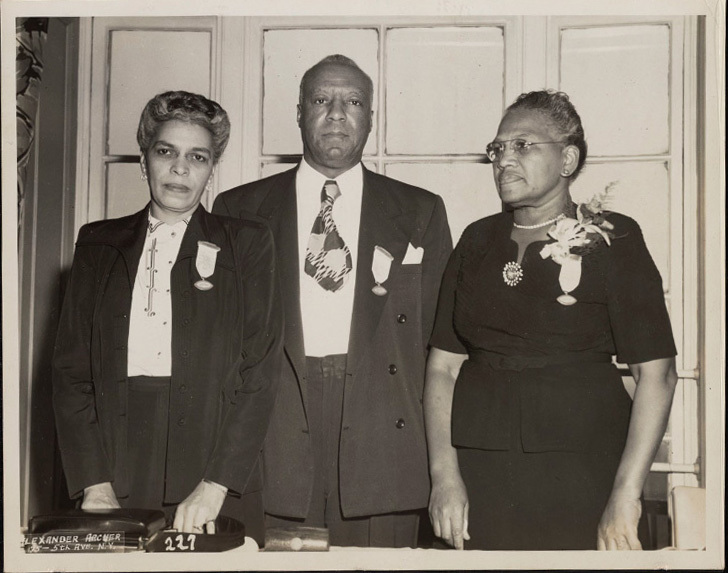
March 3, 1987 – Rosina Corrothers Tucker, a formidable American labor organizer, civil rights activist, and educator, passed away at the age of 105. She played a pivotal role in the foundation of the Brotherhood of Sleeping Car Porters (BSCP), the first African American trade union in the United States, and its Ladies’ Auxiliary. Tucker also organized women in the laundry trades, domestic service workers, teachers, and railway clerks known as “red caps” throughout Washington, D.C.
She was born in Washington, D.C., in 1881 and was the daughter of former Virginia slaves who moved to the nation’s capital after they were emancipated during the Civil War. Her father was a shoemaker who taught himself to read and write and encouraged his nine children to pursue their education.
In 1899, she married renowned poet, journalist, and minister James D. Corrothers. After his premature death, she married Berthea Johnson (B.J.) Tucker — a porter at the Pullman Company in Washington, D.C. At the time, the rail transportation company employed more Black men and women across the country than most other companies. However, that empowered the company to exploit Black workers by paying them lower wages than their white counterparts, enforcing harsh working conditions, and denying them fair seniority rights. In 1925, Rosina Tucker attended an organizing meeting in Washington, D.C., led by A. Philip Randolph, who had recently co-founded the BSCP in Harlem. Seeking fair treatment and wages for her husband and the thousands of other men and women who worked as porters, attendants, and maids in sleeper cars, she became an advocate for the union and helped create a local chapter in Washington, D.C.
Women like Rosina Tucker were essential to the survival of the union’s organizing efforts and the union itself. The Pullman Company closely monitored employees’ organizing activities and retaliated against those who supported the union. Facing less scrutiny from the company, wives and family members of workers visited homes and shared literature to organize, advocate, and collect dues for the union. Before the BSCP was officially recognized, she held secret meetings at her home, keeping the window shades closed to prevent Pullman personnel from spying.
The Pullman Company eventually recognized the union in 1937, due in large part to Rosina Tucker’s and other women’s success in organizing workers across the country. Upon its recognition, she helped form the Women’s Economic Council, which later became the International Ladies Auxiliary Order, to raise money and community support for the union on a national level. She served as the auxiliary’s national secretary and treasurer, as well as the liaison between the union’s local and national president and the president of the auxiliary. While men often challenged or contested the authority and organizing skills of the women in the auxiliary, Tucker’s leadership and organizing successes highlighted the significance of the contributions that African American women made to the union and broader labor movement.
Tucker’s impact on the labor and Civil Rights movements was also felt beyond the BSCP. She helped organize the March on Washington Movement with A. Philip Randolph, which challenged segregation in the armed forces and defense industry during World War II and forced legislation banning the practice. She also organized Black and women workers across the nation’s capital, and lobbied Congress for labor and education legislation — testifying before House and Senate committees on day care, education, labor, and D.C. voting rights. She testified before a Senate subcommittee on aging at 102 and gave lectures across the country until she was 104 — just a year before she passed away. ■
The post Rosina Tucker: A Force Behind the Pullman Porters first appeared on APWU.